
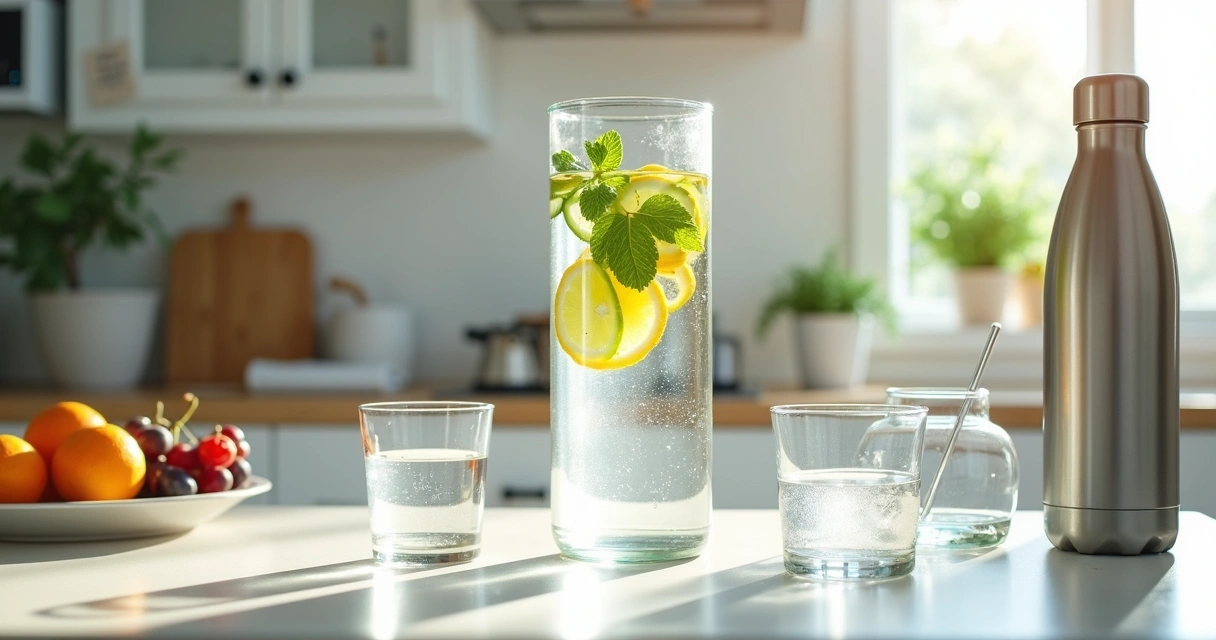
Five hydration mistakes people make—and how to fix them
Water seems so basic, almost too simple to mess up. Yet, as I’ve seen time and again, most people are walking around in a state of low-level dehydration without even realizing it. Hydration is more than just drinking when you feel thirsty. It affects energy, mood, skin, and even focus. In my experience, misconceptions about hydration are everywhere—from health forums to family table talks.
Hydration is simple, but not always easy.
Since Zenvoria Life is all about cutting through confusing advice, I want to share the five biggest hydration mistakes I come across, and some gentle, proven fixes.
Missing the signs: Relying only on thirst
I used to think that as long as I was not thirsty, I was set. But science (and personal slip-ups) taught me otherwise. By the time you actually feel thirsty, you’ve probably already started to become a bit dehydrated.
Thirst is not a perfect early-warning system for hydration.It lags behind your body’s actual needs.
- Dry mouth or lips: Noticing these means you’re already behind on fluids.
- Dark urine: Pale yellow is ideal. Anything darker is a nudge from your body.
- Headaches or fatigue: Mild dehydration can zap your focus or energy.
 So how do I stay ahead? I focus on steady sips throughout the day, not gulping down water all at once. I also pay attention to the subtle signs long before obvious thirst shows up.
Thinking only water counts
There was a time when I assumed only plain water “counted” toward hydration. But many foods and drinks contribute too. In some cases, forcing down plain water for every hydration need may even work against you.
- High-water foods: Fruits like watermelon, oranges, and strawberries. Veggies like cucumbers and lettuce.
- Other beverages: Milk, herbal tea, and even coffee or tea (in moderation) can add to your fluid intake.
I’ve read on Zenvoria Life how a colorful plate plays a quiet but powerful role in keeping us hydrated. It’s a relief to know you don’t need to drink gallons of plain water to meet your needs. If you’re curious about daily eating habits that support overall wellness, this article on mindful routines touches on some helpful strategies.
Chugging too much, too quickly
Once, during a summer heat wave, I panicked and drank huge amounts of water at once. All it did was bloat my stomach and prompt an endless line of bathroom breaks. That’s when I learned:
Slow and steady truly wins the hydration race.
Drinking too much water in a short time can actually dilute sodium levels in your blood, a rare but risky condition. Your body prefers a gentle drip, not a flood.
- Sip regularly, rather than waiting until you’re parched.
- Use a reusable water bottle as a visual reminder to drink.
- Listen to your body’s quiet cues—sometimes a yawn or a dip in focus is a subtle signal.
From my experience, linking drinking habits to daily rituals—like having water with each meal—makes it much less of a chore. The goal is gentle consistency, not last-minute catch-up.
Ignoring electrolytes
For years, I thought hydration began and ended with plain old H2O. But a balanced approach also keeps track of electrolytes—minerals like sodium, potassium, and magnesium that cells rely on. Especially after heavy sweating, exercise, or bouts of illness, plain water may not be enough.
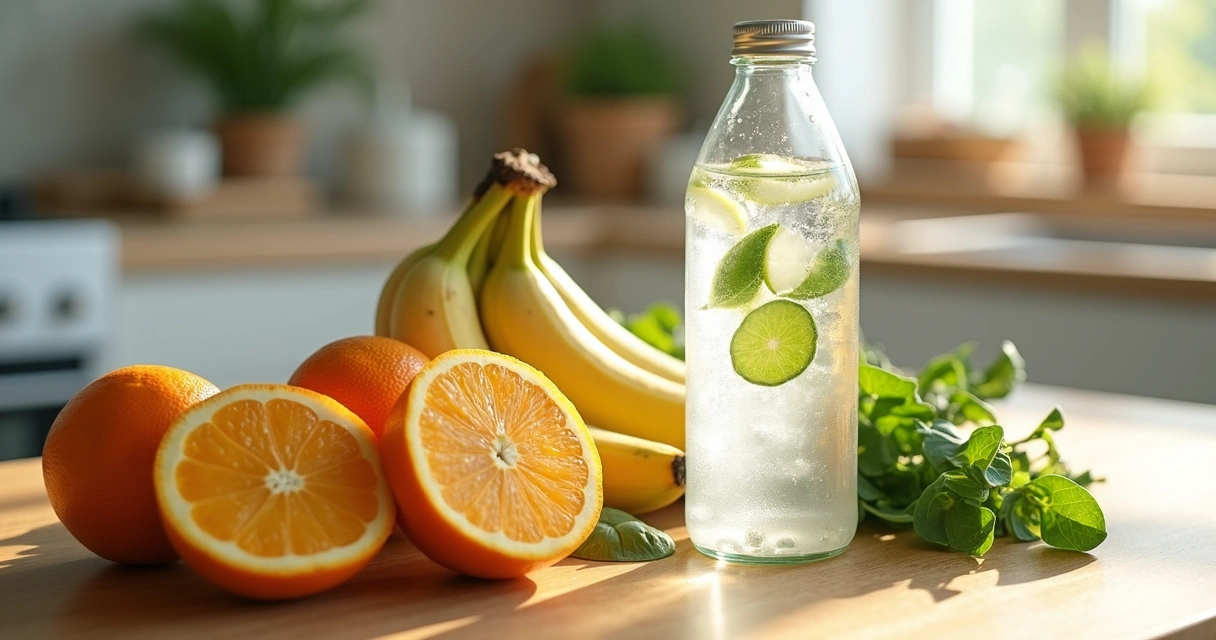 Sometimes you need electrolytes to truly rehydrate—especially during intense activity or heat.
Here’s what I do, especially on long walks or hot days:
- Snack on bananas, oranges, or a bit of salted nut mix.
- Sometimes, sip a small cup of coconut water (but check for added sugars).
- Add a pinch of sea salt and a splash of lemon to water—something I learned from Zenvoria Life’s wellness tips.
You don’t need fancy drinks. Just a mindful balance of minerals and water, especially if you sweat a lot.
Forgetting to adjust for seasons and activity
Our needs shift with the calendar. Winter lowers the sense of thirst, but heated rooms dry us out. Summer’s heat and humidity mean our bodies are constantly losing water. And even if you’re sitting at a desk, a brisk walk or standing in the sun can make a big difference.
What’s helped me most is building small, daily check-ins with myself. Questions like: Have I moved more today than usual? Is the air drier? Am I sweating more? Each answer changes how much fluid I aim for.
- Increase fluid on hot, sunny days—or after heavy sweating.
- Don’t ignore hydration just because it’s cold out.
- Pay extra attention to hydration if you’re sick or recovering.
For more on how the seasons and lifestyle tweaks can shape good habits, this guide to daily routines has practical advice that I’ve returned to myself.
How to make hydration work for you
Changing my hydration routine started with noticing patterns, not just mindlessly sipping water. Here’s what I’ve found most helpful:
- Check your mornings: I try to make water the first thing I put in my body after waking up.
- Pair with habits: I drink during other routines—preparing meals, walking the dog, or after meetings.
- Mix it up: I get hydration from water-rich foods, teas, and mineral water.
- Listen, don’t force: My body knows what it wants; I just need to pay attention to its cues.
If you want to learn more about how daily habits contribute to overall well-being, be sure to look at some practical wellness routines here or check out my profile for related articles on Zenvoria Life. To search for more specifics within our wellness content, try our search page.
Conclusion: Gentle, steady, smart hydration
I’ve come to see hydration as an ongoing conversation with my body, not a strict rule or a race. By understanding these common mistakes and making small, kindness-driven tweaks, I’ve noticed more energy, clearer skin, and better focus. At Zenvoria Life, my hope is to inspire others to keep wellness simple, flexible, and real.
Try your own gentle experiment with a hydration tweak this week and see how you feel. If you want more tips on making wellness a natural part of your day, spend some time exploring Zenvoria Life. Live well, simply.
Frequently asked questions
What is the best way to stay hydrated?
The best way to stay hydrated is to drink small amounts of fluid regularly throughout the day and include water-rich fruits or vegetables in your diet. Consistency is key, so try to develop habits where water is a natural part of your daily routine rather than something you force only when you feel thirsty.
How much water should I drink daily?
Most people do well with about 6-8 cups (1.5–2 liters) of fluids daily, including water, tea, and foods with high water content. Your personal needs may rise with heat, exercise, or illness, so adjust based on your activity and body signals.
Can you drink too much water?
Yes, drinking too much water in a short period can lead to a rare but serious condition called hyponatremia, where sodium levels get diluted in your blood. Stick to steady intake, listen to your body’s cues, and don’t push fluids beyond comfort.
What are signs of dehydration?
Common signs are dark urine, dry mouth, tiredness, headaches, and trouble focusing. In more severe cases, you might feel dizzy or notice rapid heartbeat or confusion. Try to catch these early by watching your body’s signals each day.
Does coffee count towards daily hydration?
Yes, moderate coffee and tea can count toward your daily fluid intake. Unless consumed in very large amounts, the mild diuretic effect won’t outweigh their hydrating properties for most people.